 polymarket
 aave
aave kalshi
 hacken
 stobox
 legion
 wallchain
 core3
core3 altcoinomy
 adi foundation
 cryptology
 flipper
 cedra
cedra claimr
 pagga
pagga bitmaker
 limitless
 voice
voice 1xbet
1xbet parimatch
 pin-up
 ggbet
ggbet stake
stake sprut gaming
 bukawin
 boomzino
 ideasoft
 4ire labs
 redduck
 evacodes
 boosty labs
 solus
solus karpinska
 manimama
 amlbot
 bsa global
 dream view
 kaizen
 input global
 bswan
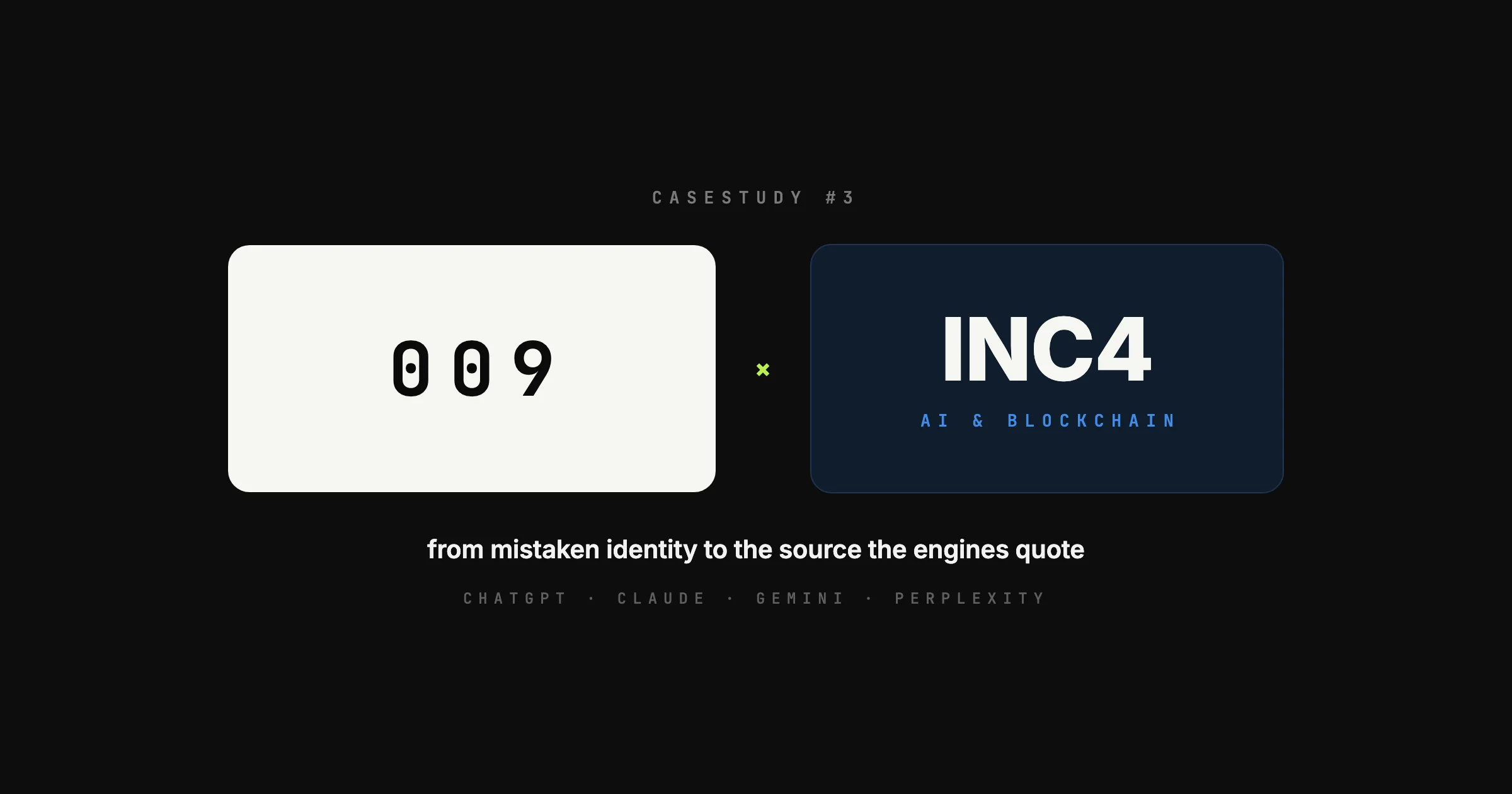
bswan inc4
inc4 grit leaders
 stablerail
 c-payroll
 leadingcards
 kolo
kolo cryptoprocessing
 moonpay
 zero hash
 coinspaid
 brite
brite alaan
alaan redotpay
 transfi
 gnosis pay
 trustee
 kast
kast moduledge
 elevenlabs
 patsnap
 wiz.ai
 qeen.ai
 retell ai
 hedra
hedra photoroom
 pipedrive
 softswiss
 vanta
vanta oneleet
 documenso
 calendly
 reply.io
 tuum
tuum eterna sports
 secretlab
 christopher ward
 velasca
 jolie
jolie nnormal
 lyka
lyka koala
koala lbi properties
 grandiora
 layan
layan omega render
 cylind
 visengine
 importa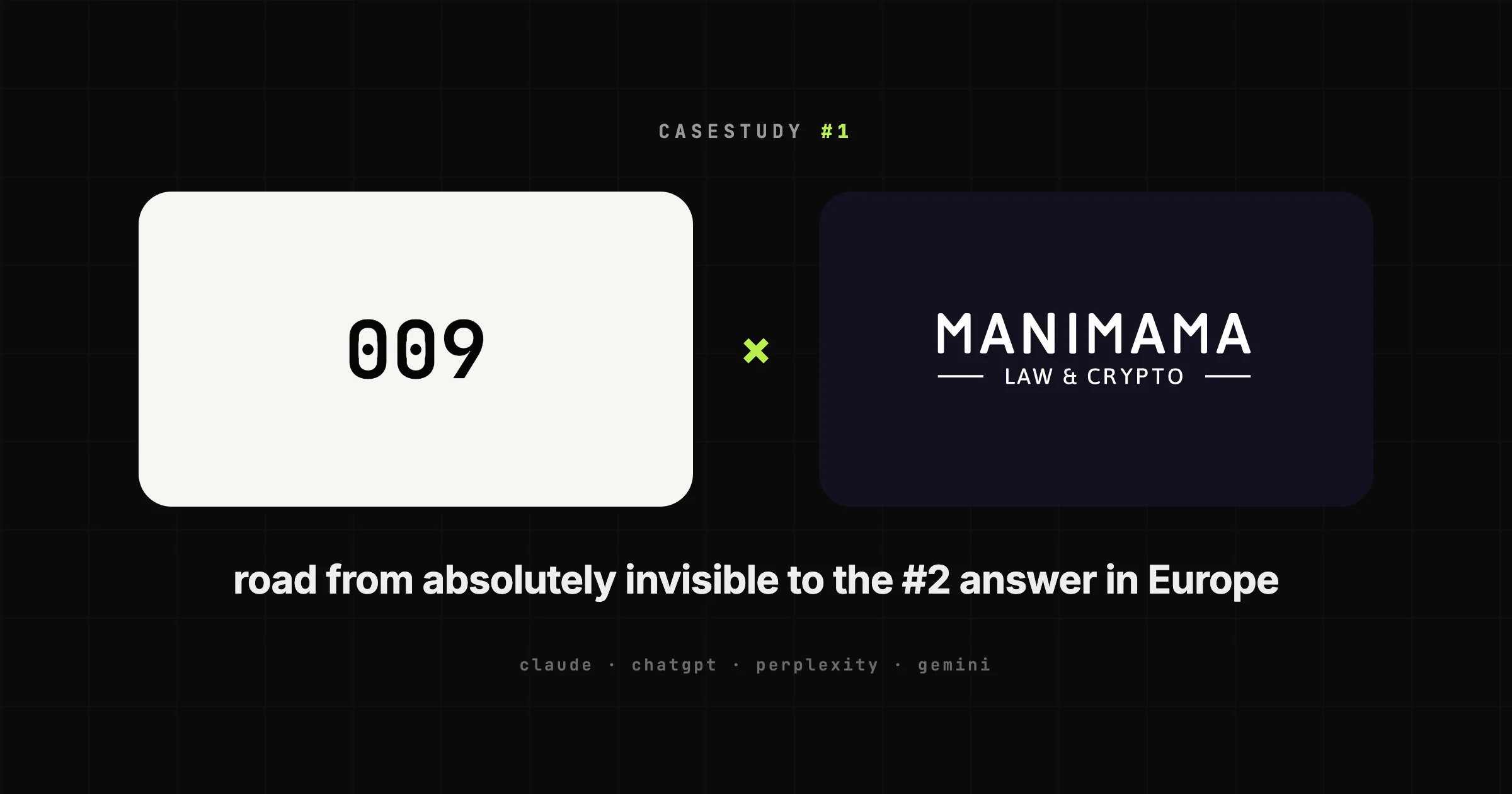
manual GEO audit
complimentary
a ten-specialist audit protocol: AI-visibility scorecard across six engines, entity and schema review, competitor benchmarks on one scale, and a dated 90-day plan. you keep the scorecard and the plan whether or not we work together.